Mapping a national health care program from the user's perspective
The request for proposals for a national federal health care program ran over 200 pages. On a cross-functional discovery team, I brought the user experience lens, working with a UX architect before there was a design team in place.
- Problem
- Siloed functional departments with no view of how their work came together for the user
- My role
- Lead designer, acting as UX architect, on a cross-functional discovery team
- What I did
- Led the user-side analysis that shaped 17 workstreams, and defined the jobs to be done within each
- Result
- Initial personas, journeys and blueprints for a UX team that grew from 2 to 14
A program too big to see all at once
Before anyone could design a screen, the team had to turn the bid into parts a team can own. My part was the user side: who the program serves and what they need to get done.
From a contract to a map of the program
- SynthesizeUsed AI to distill the full proposal into core jobs to be done, in hours instead of days.
- ValidateChecked those jobs in stakeholder interviews and against current process documentation before building on them.
- StructureLed the user-side analysis that shaped 17 workstreams.
- GroundDrafted initial personas, user journeys and service blueprints for the work ahead.
AI did the first pass. The UX judgment calls were mine: which needs belong together, where one experience ends and the next begins, and what to check with stakeholders first.
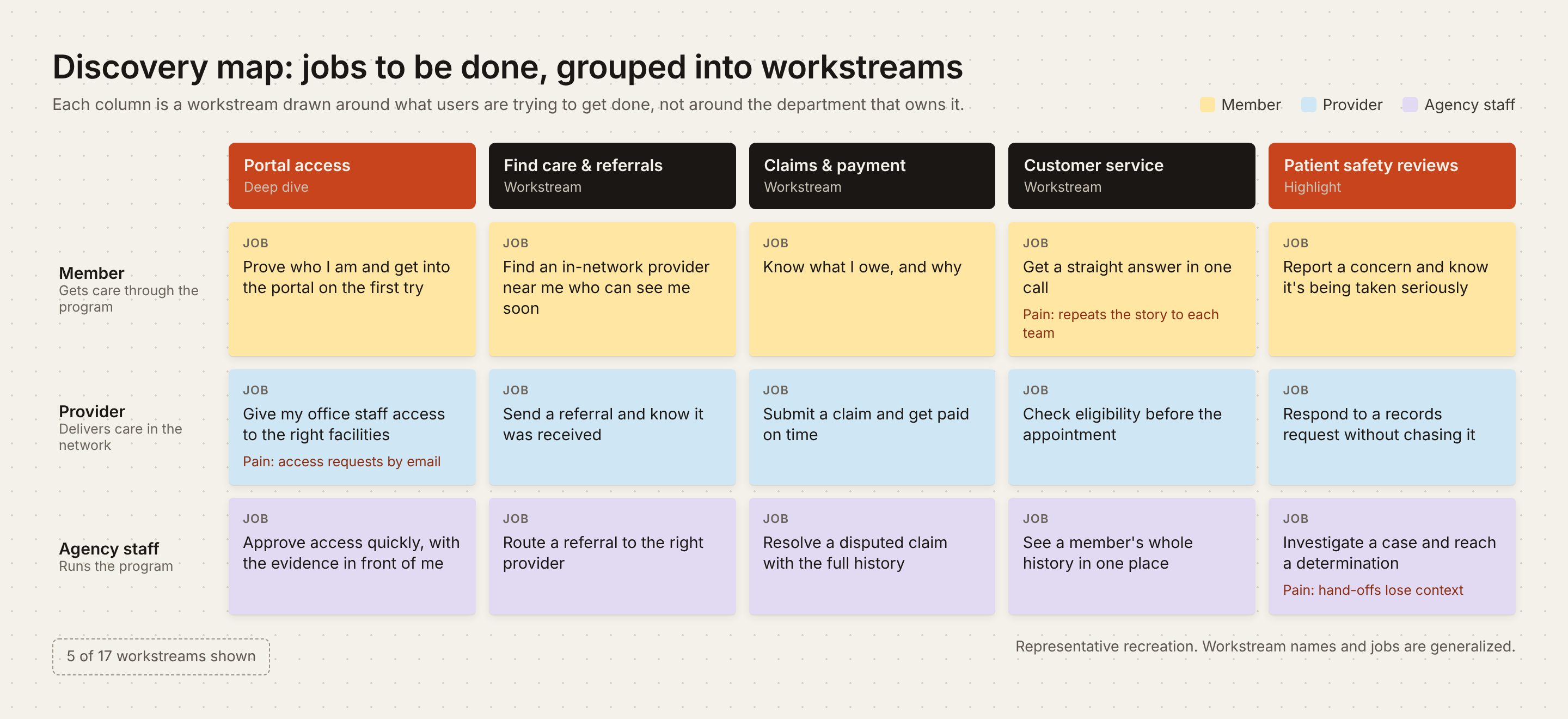
Highlighted: the two workstreams shown below.
A foundation a whole team could build on
As the UX team grew from two people to fourteen, discovery gave every new designer and researcher a starting point.
- Me, lead designer acting as UX architect
- 1 UX architect
- 8 designers, including me
- 1 UX architect
- 2 researchers
- 2 content strategists
- 1 accessibility specialist
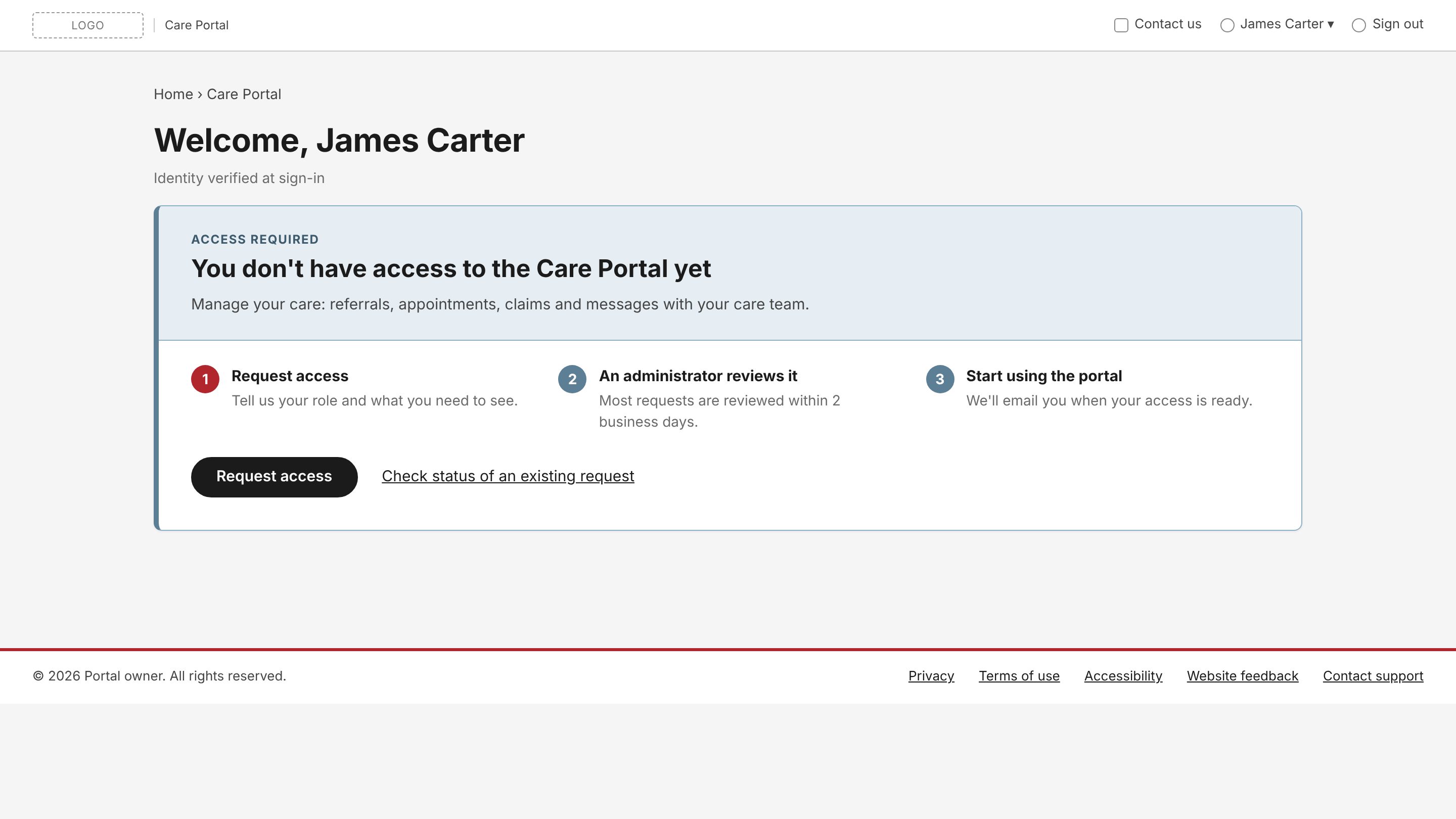
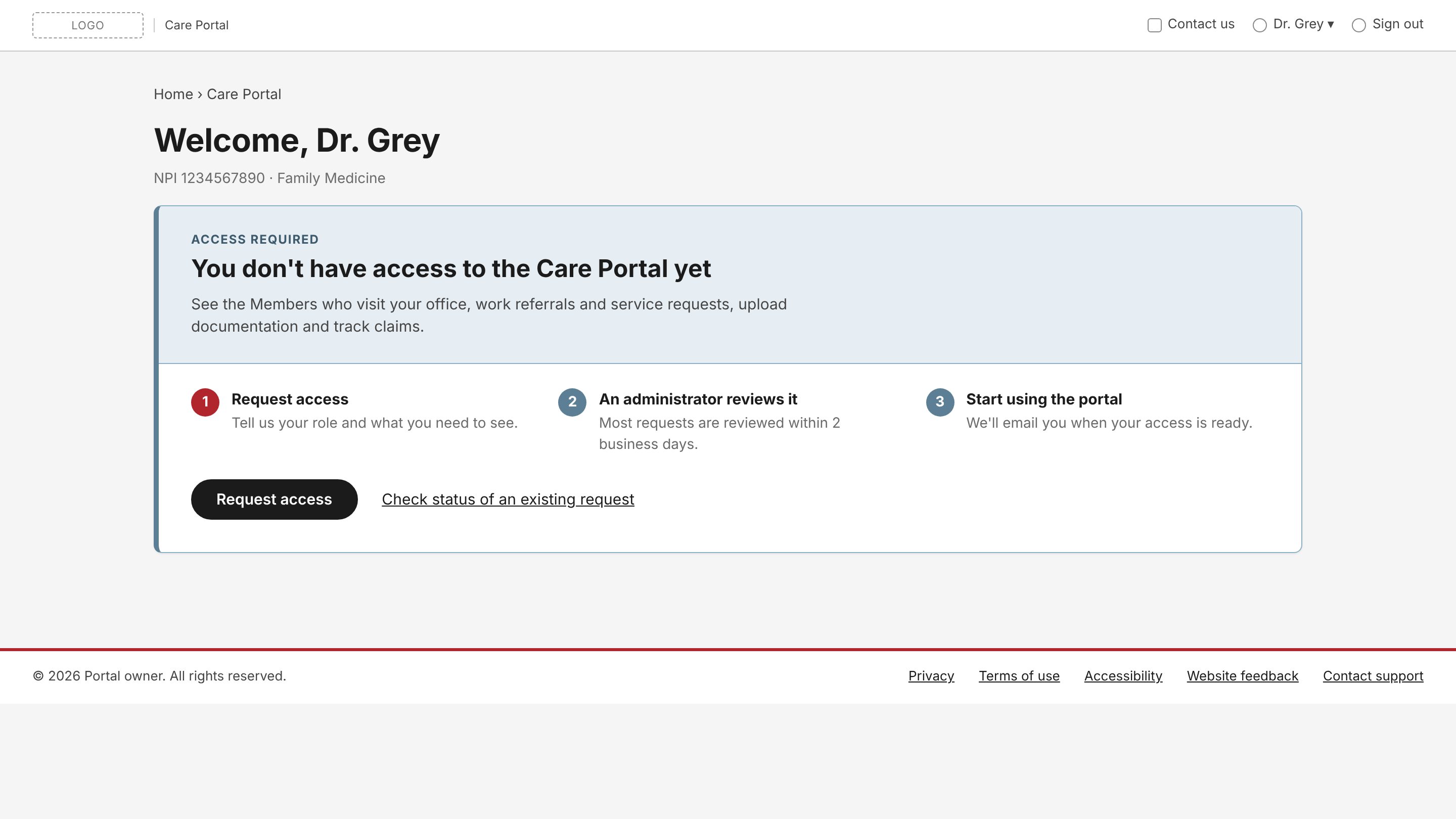
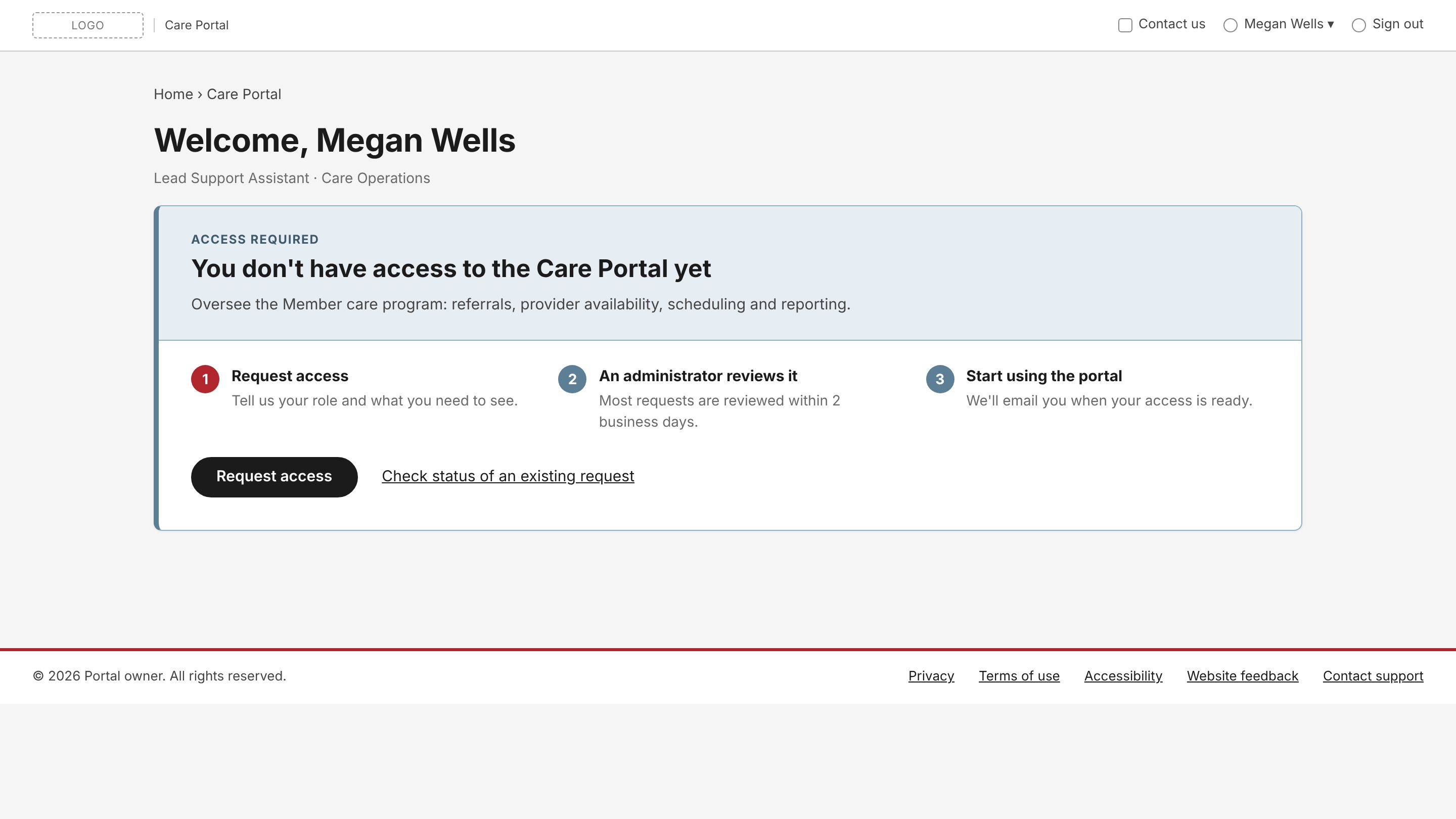
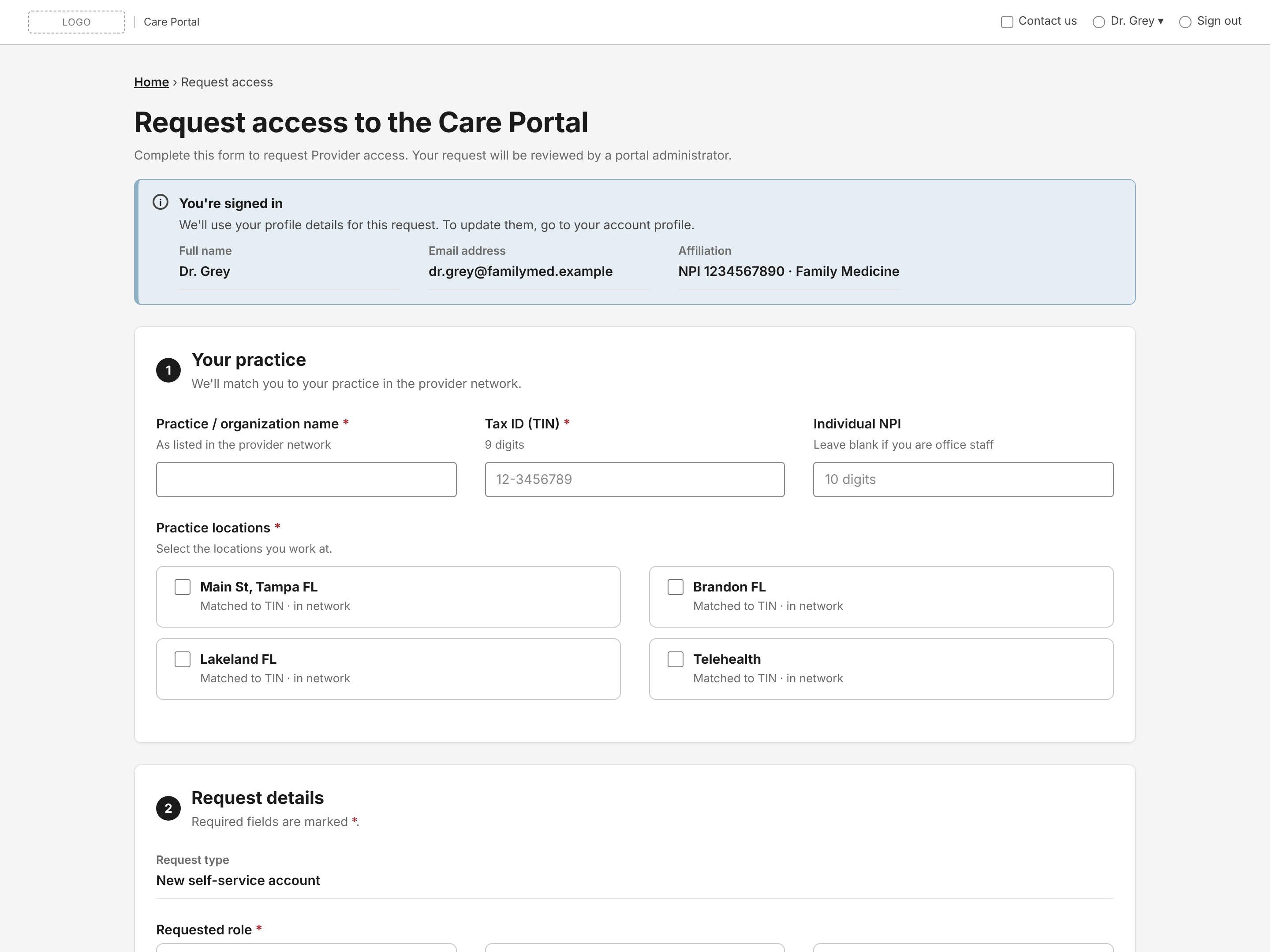
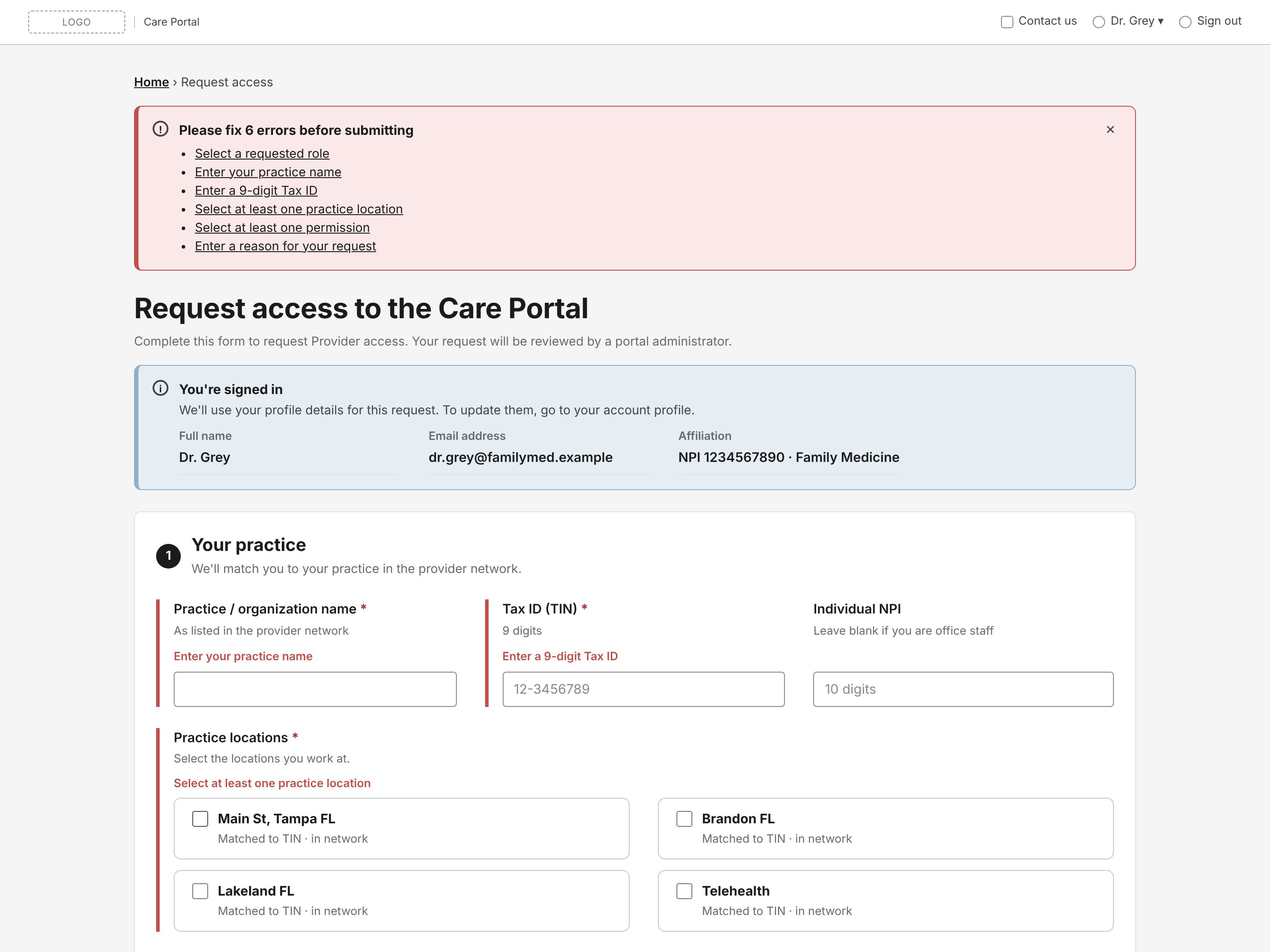
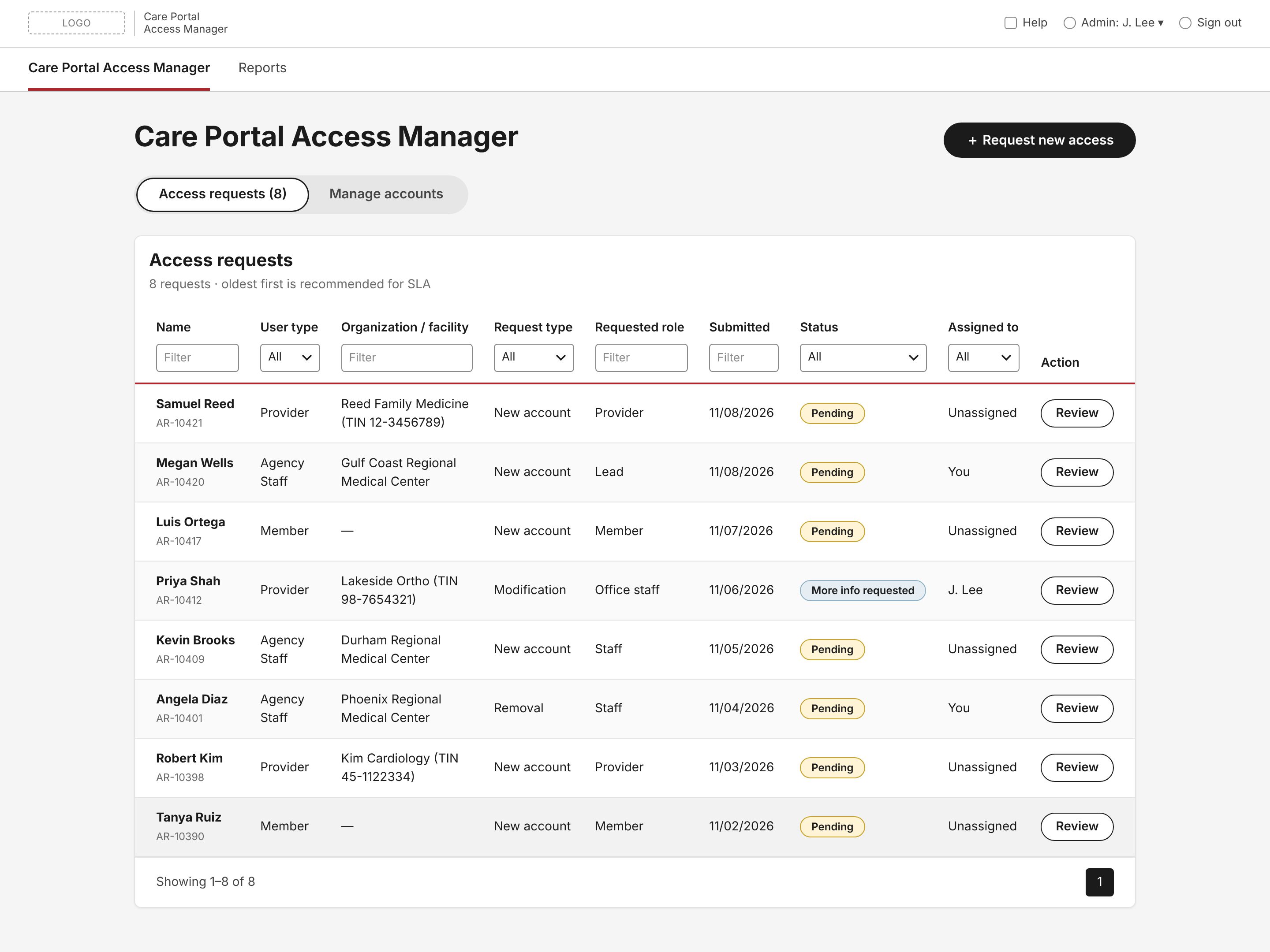
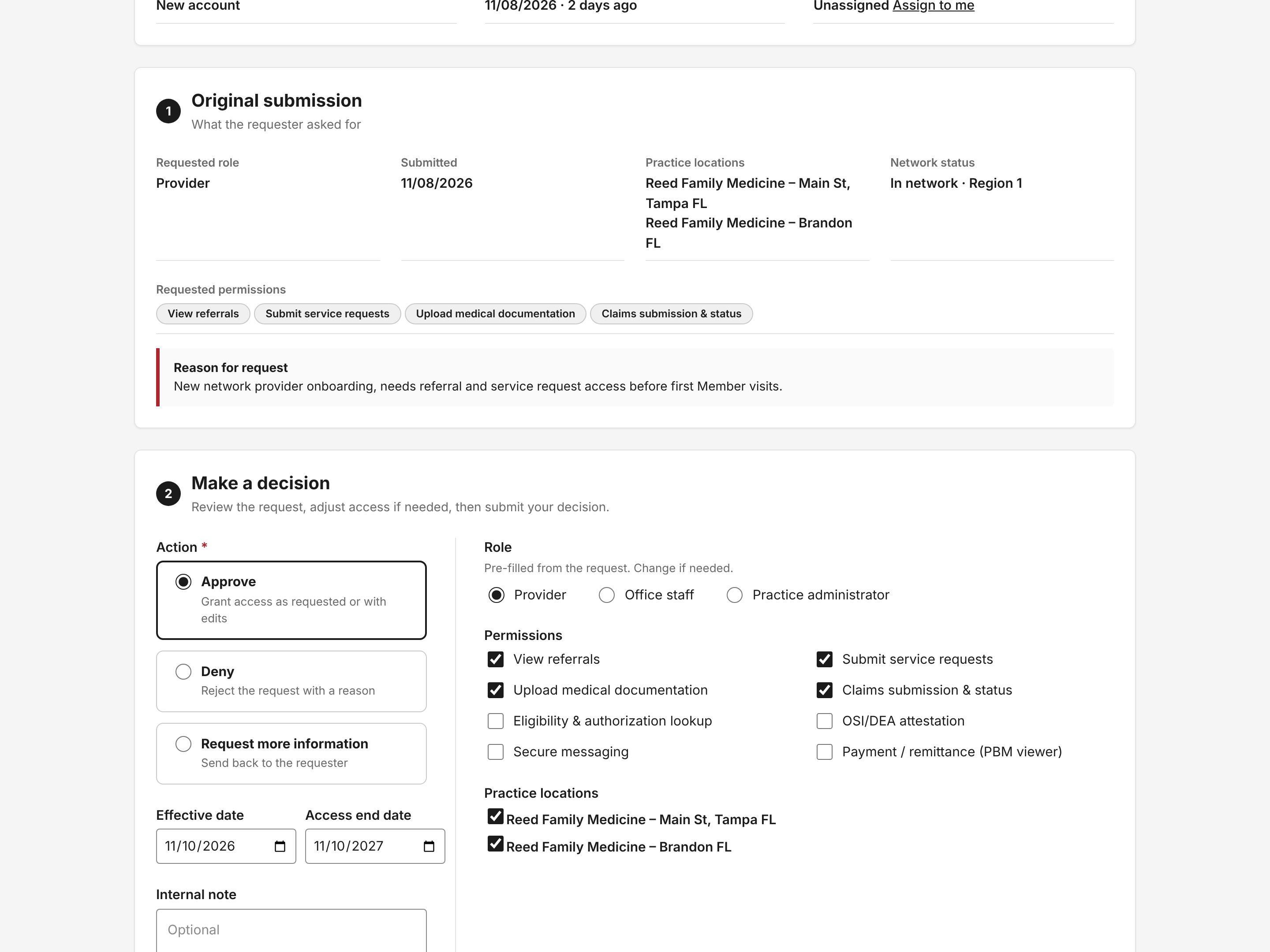
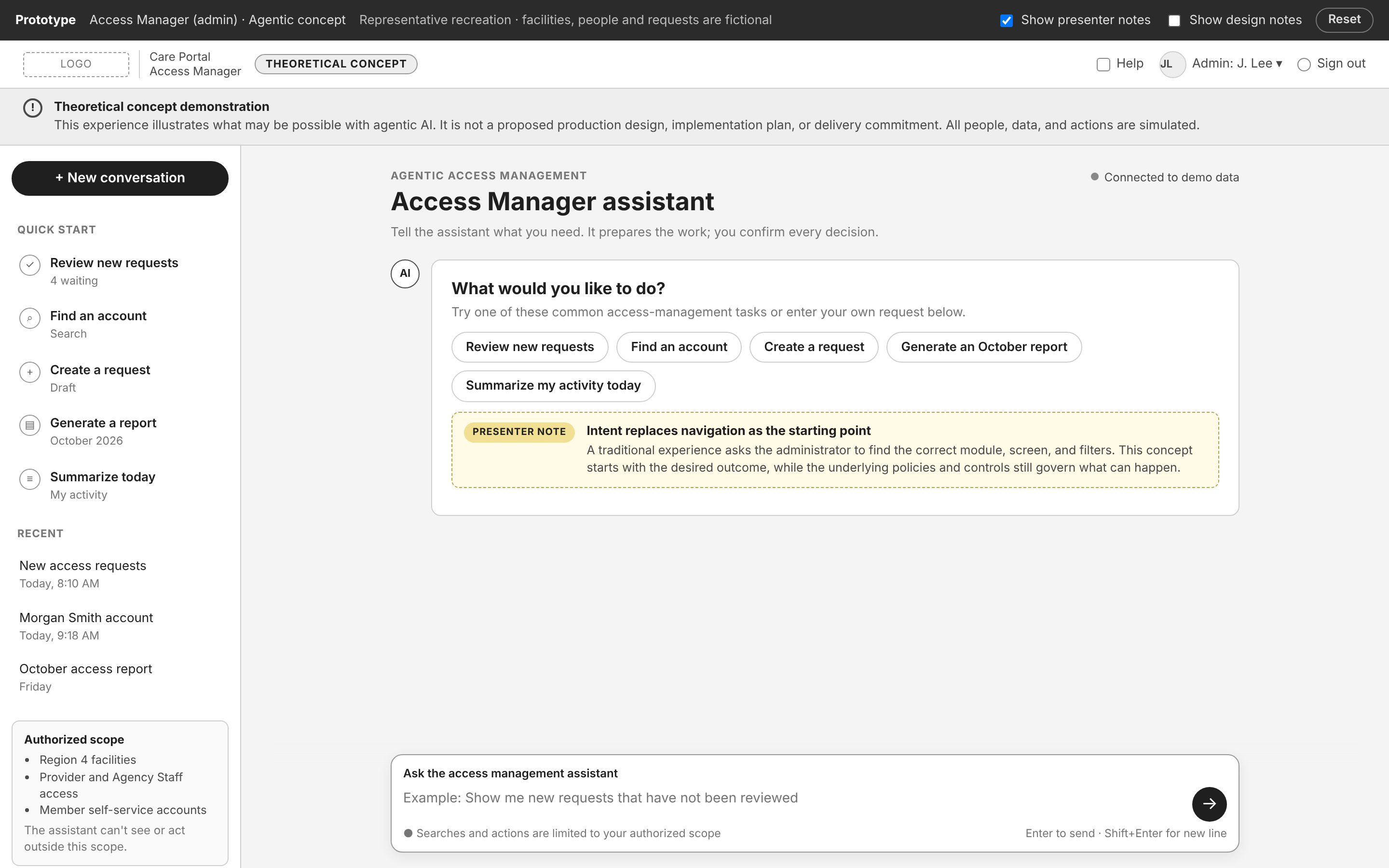
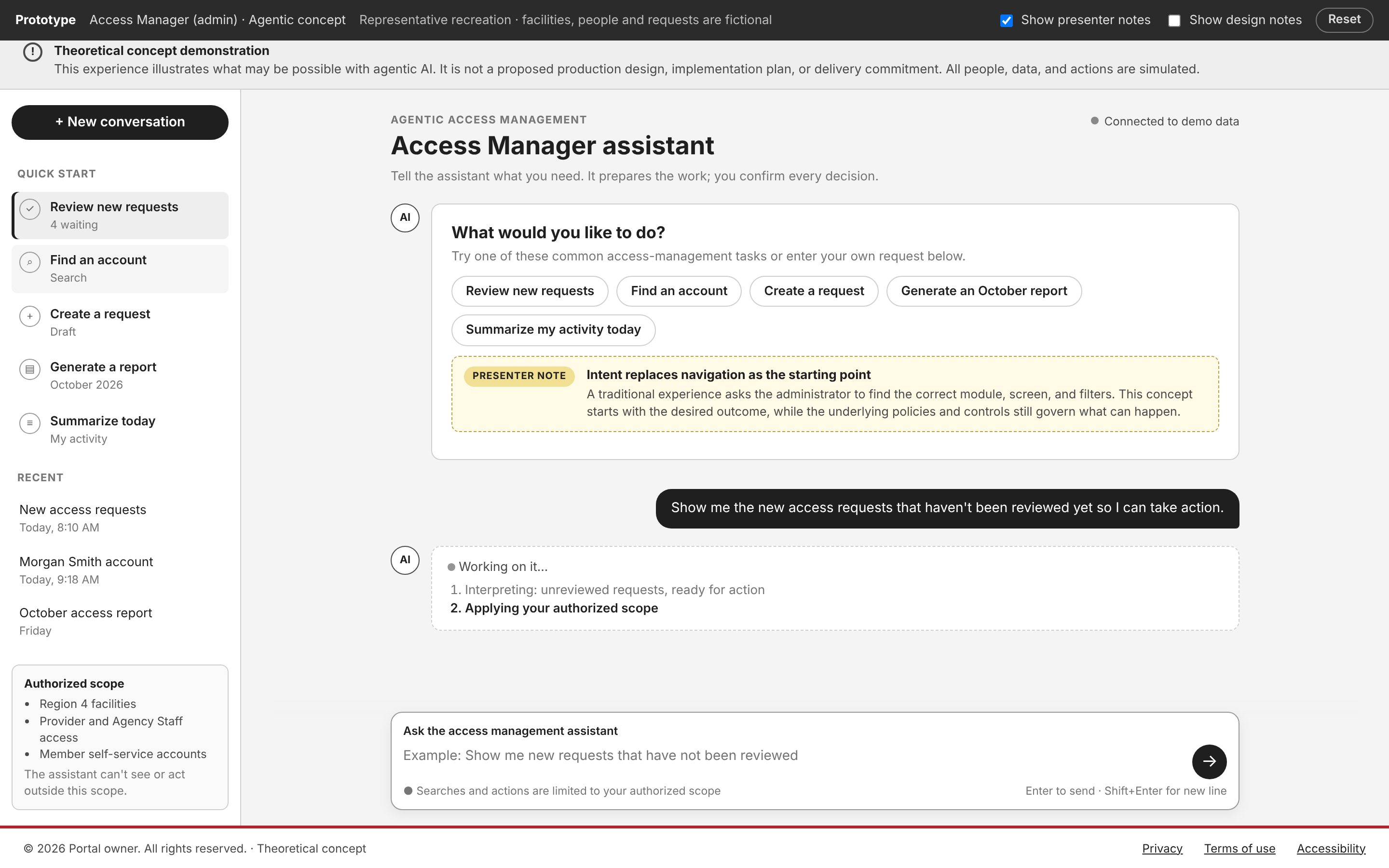
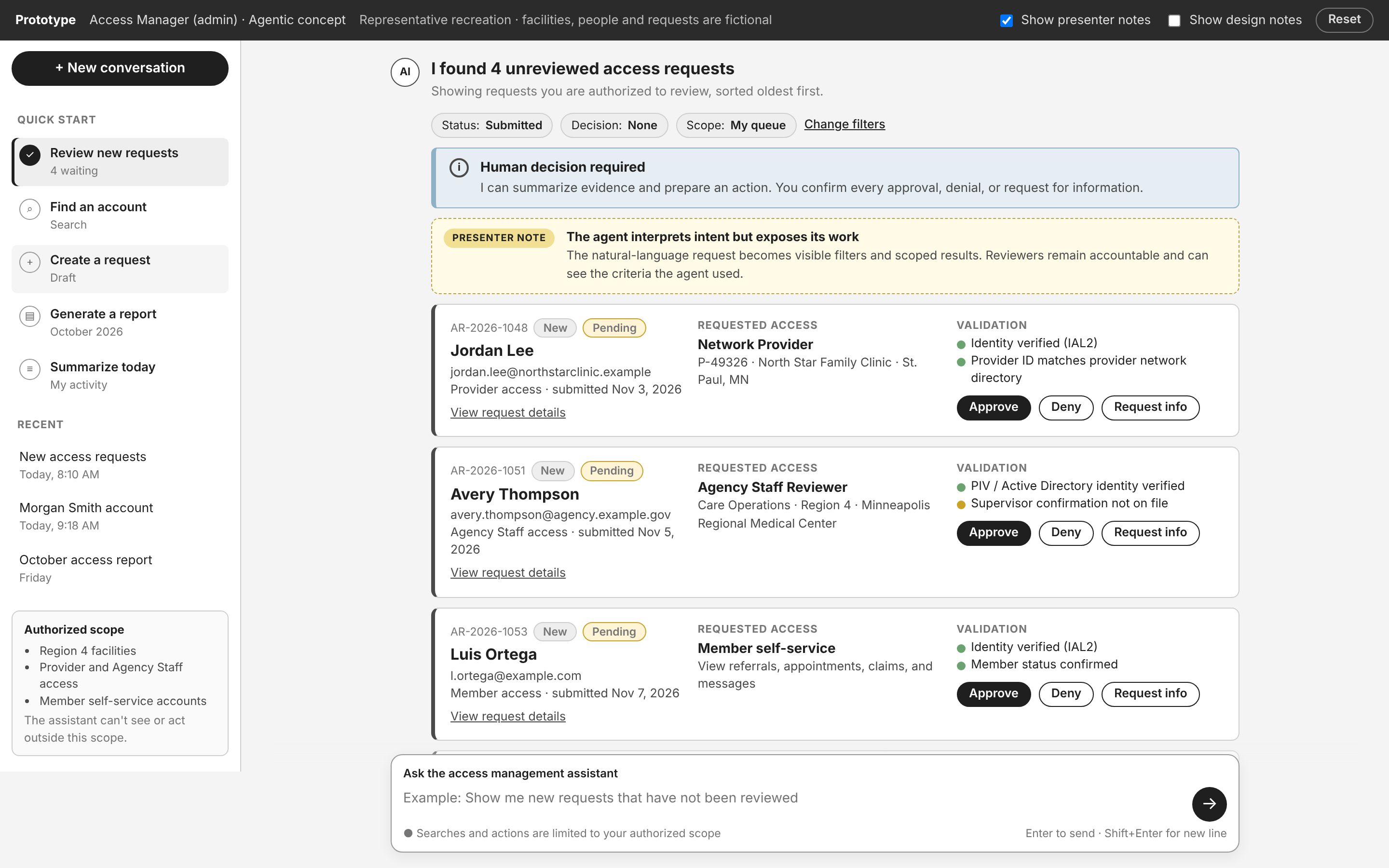
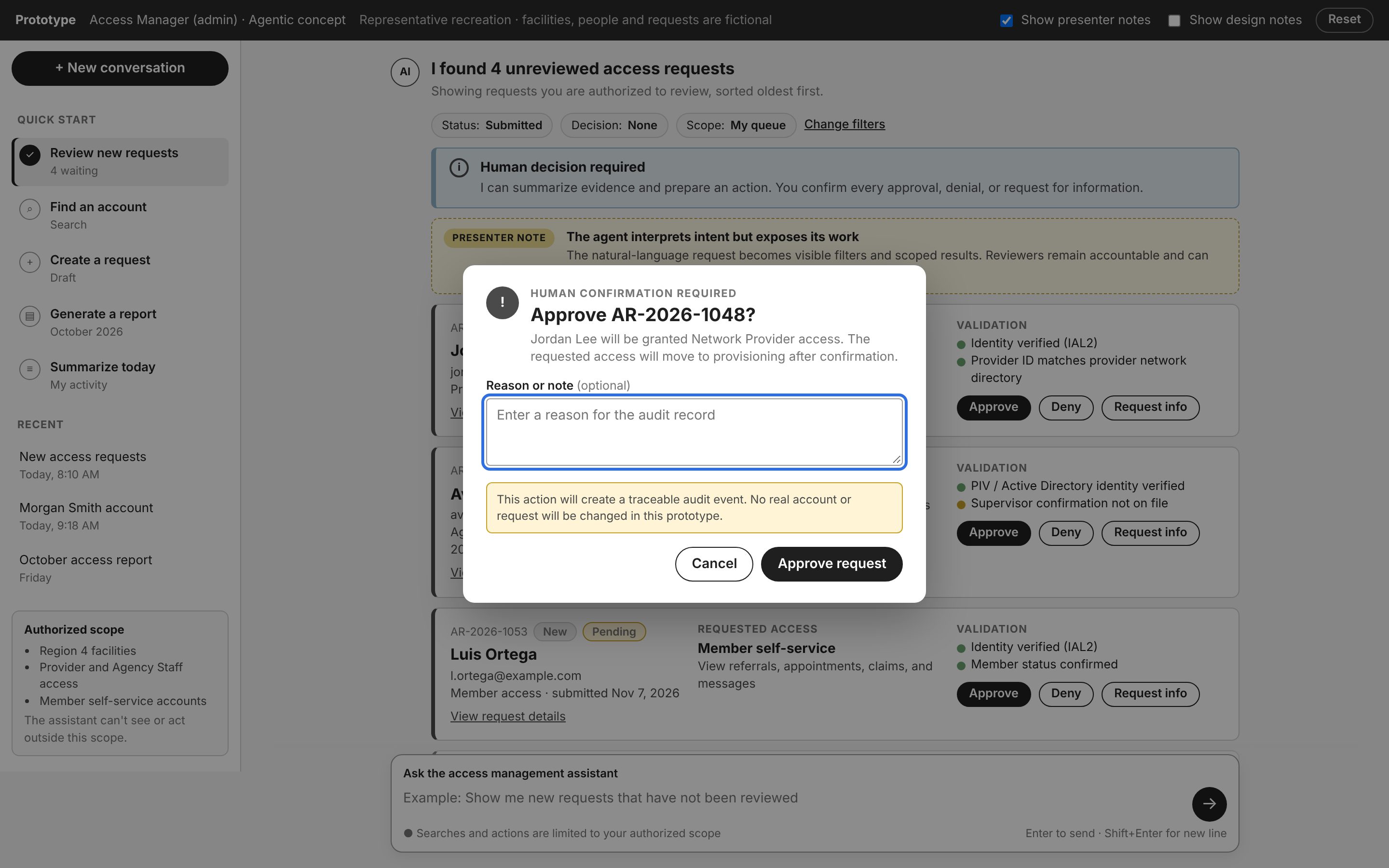
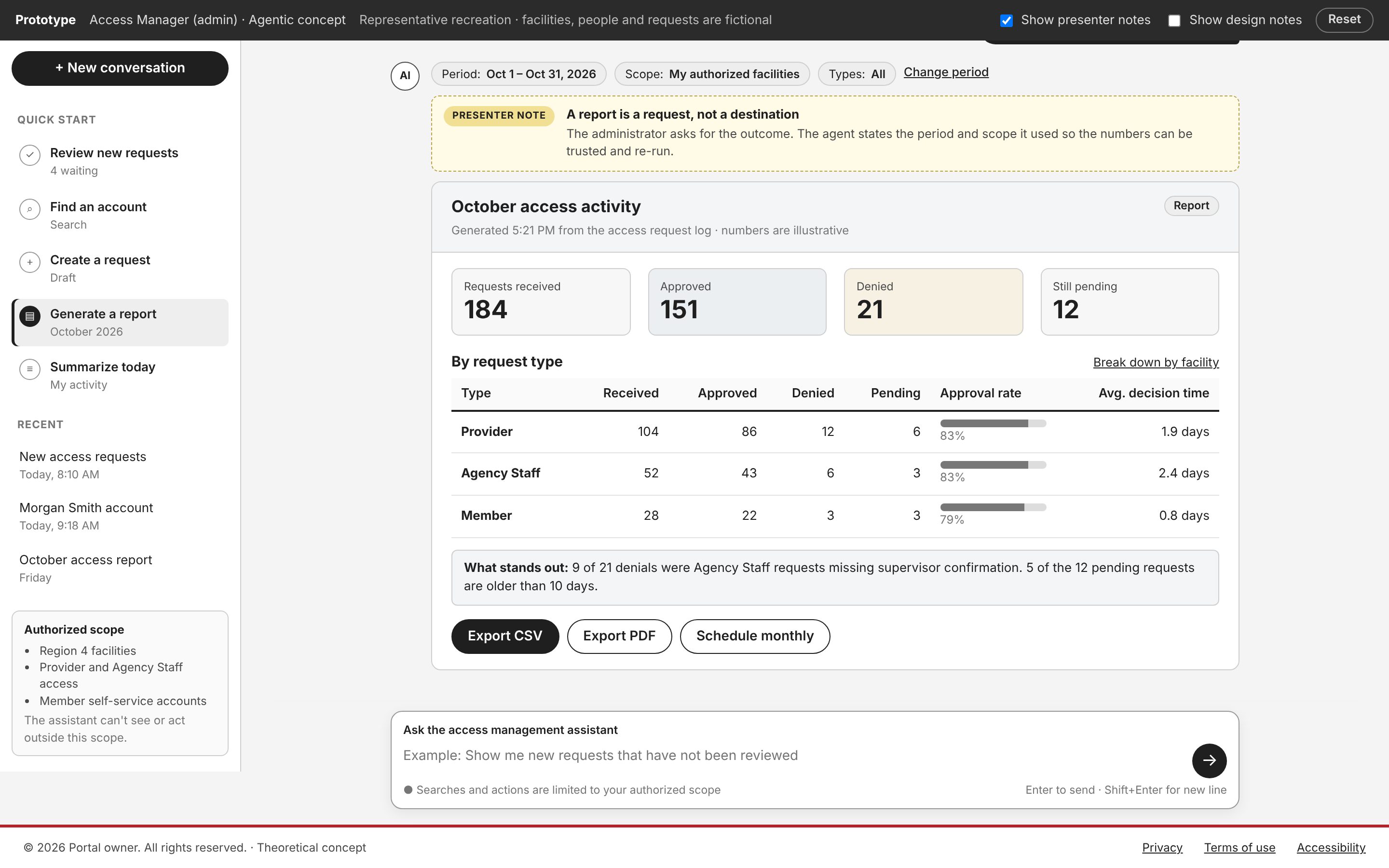
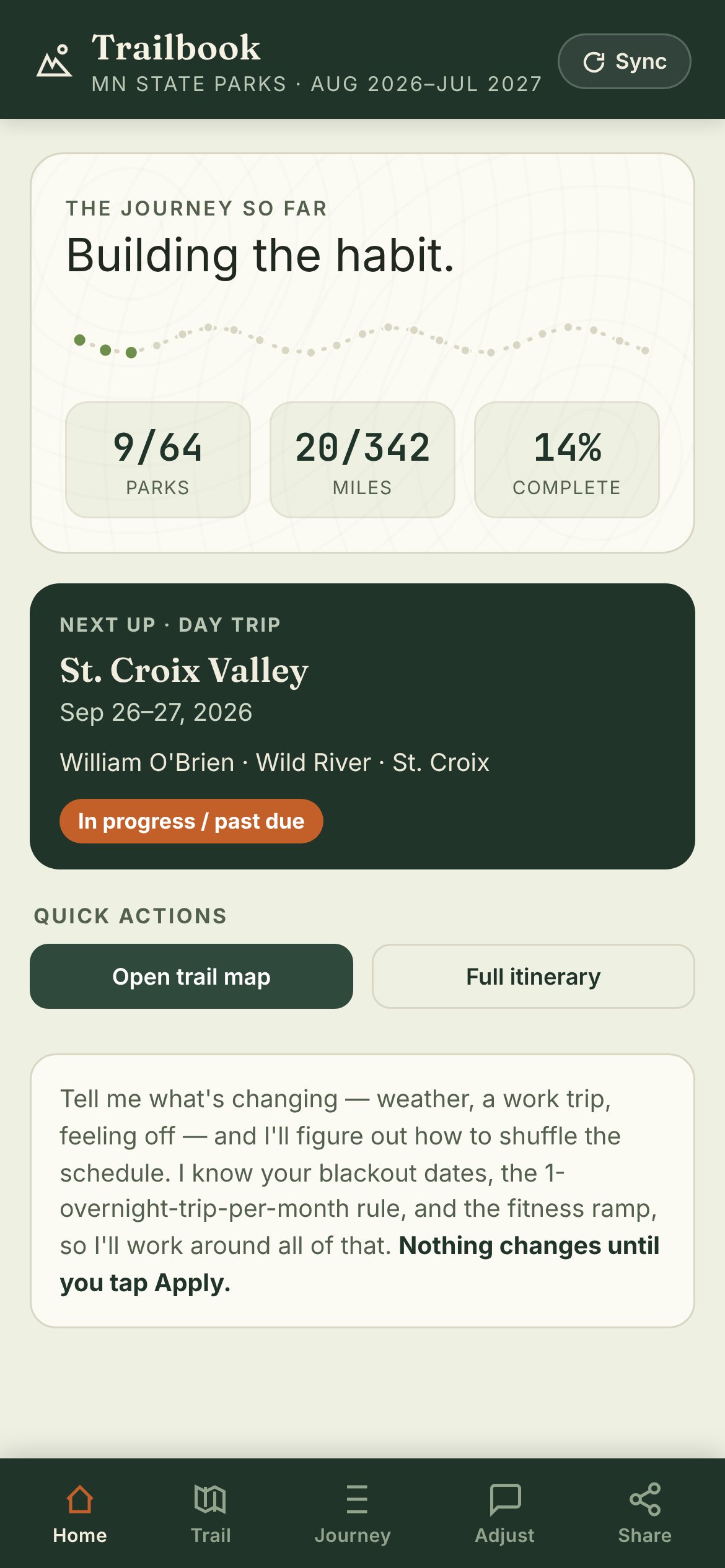
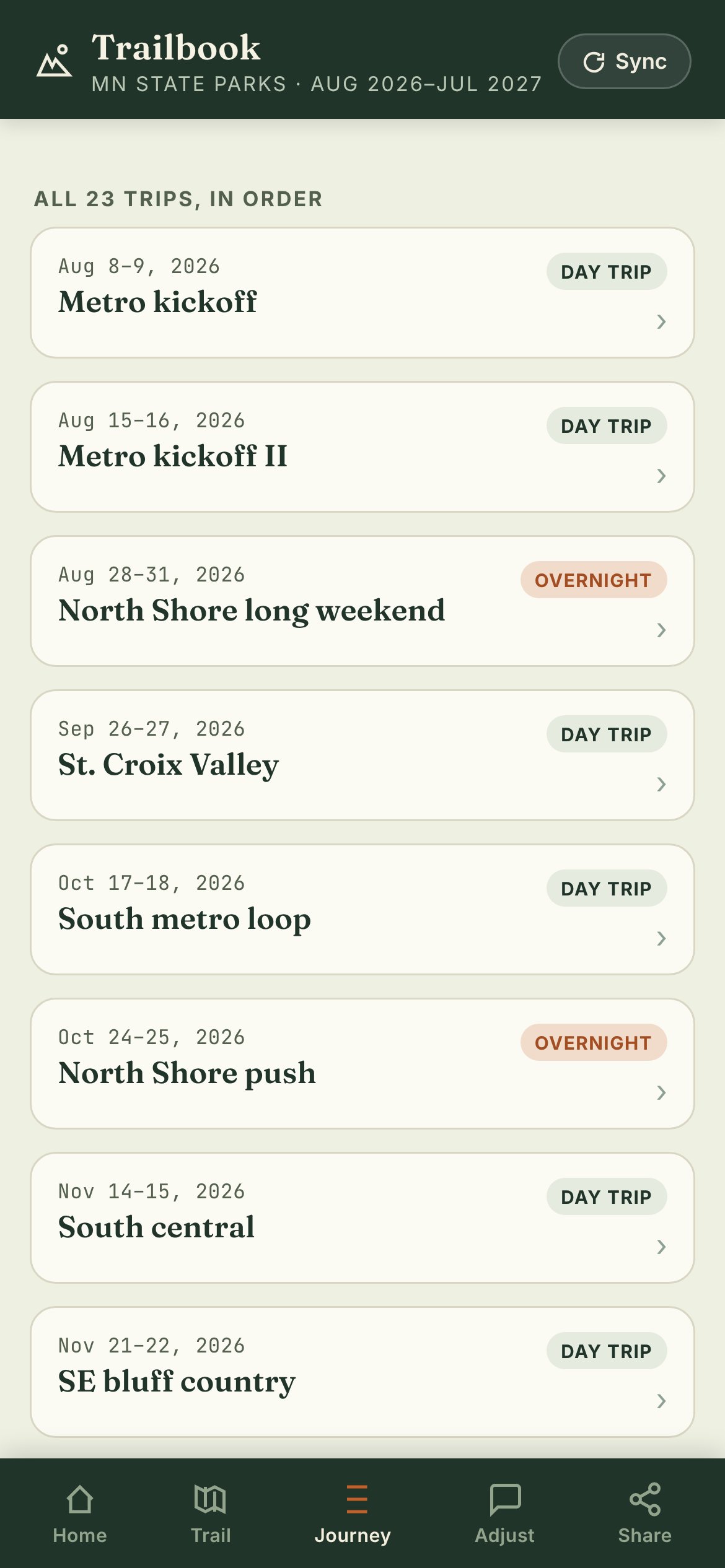
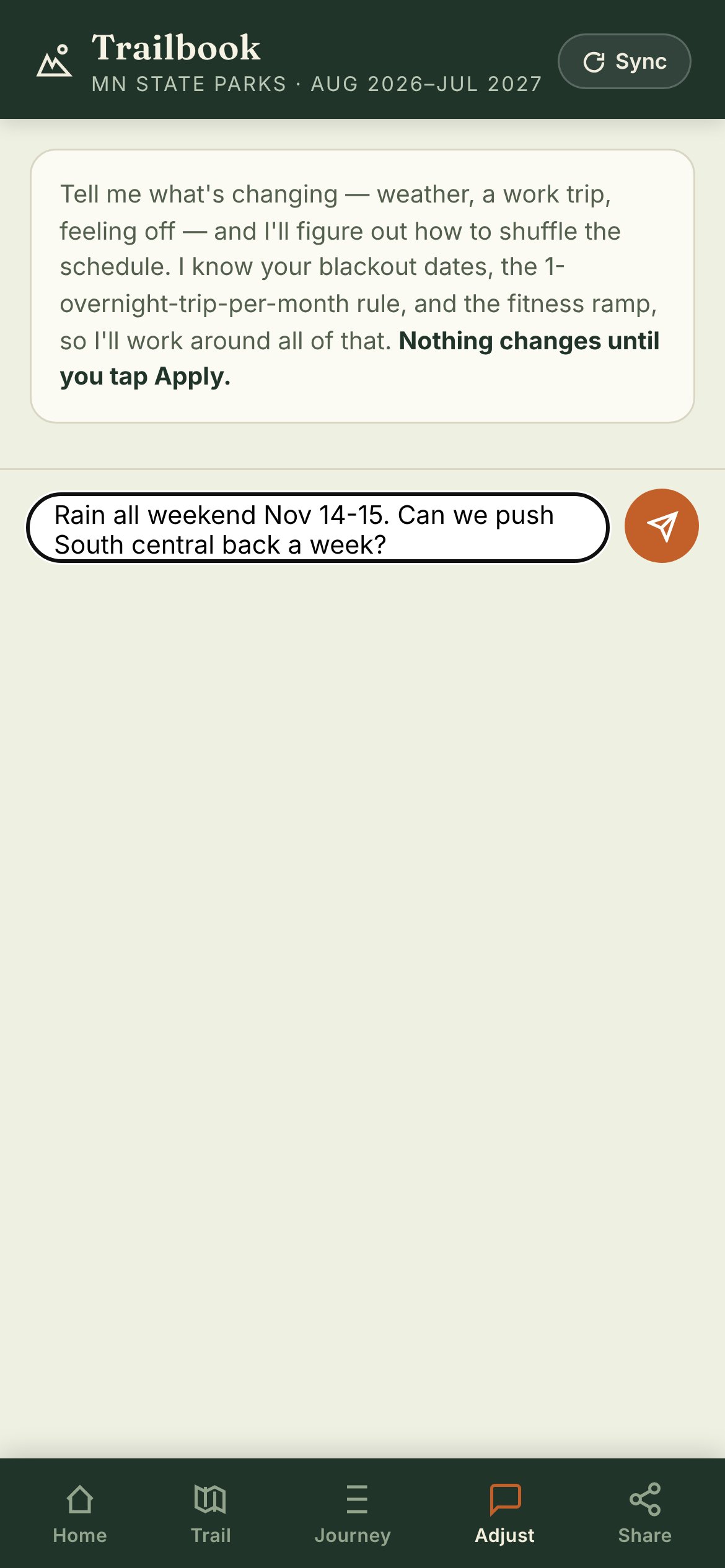
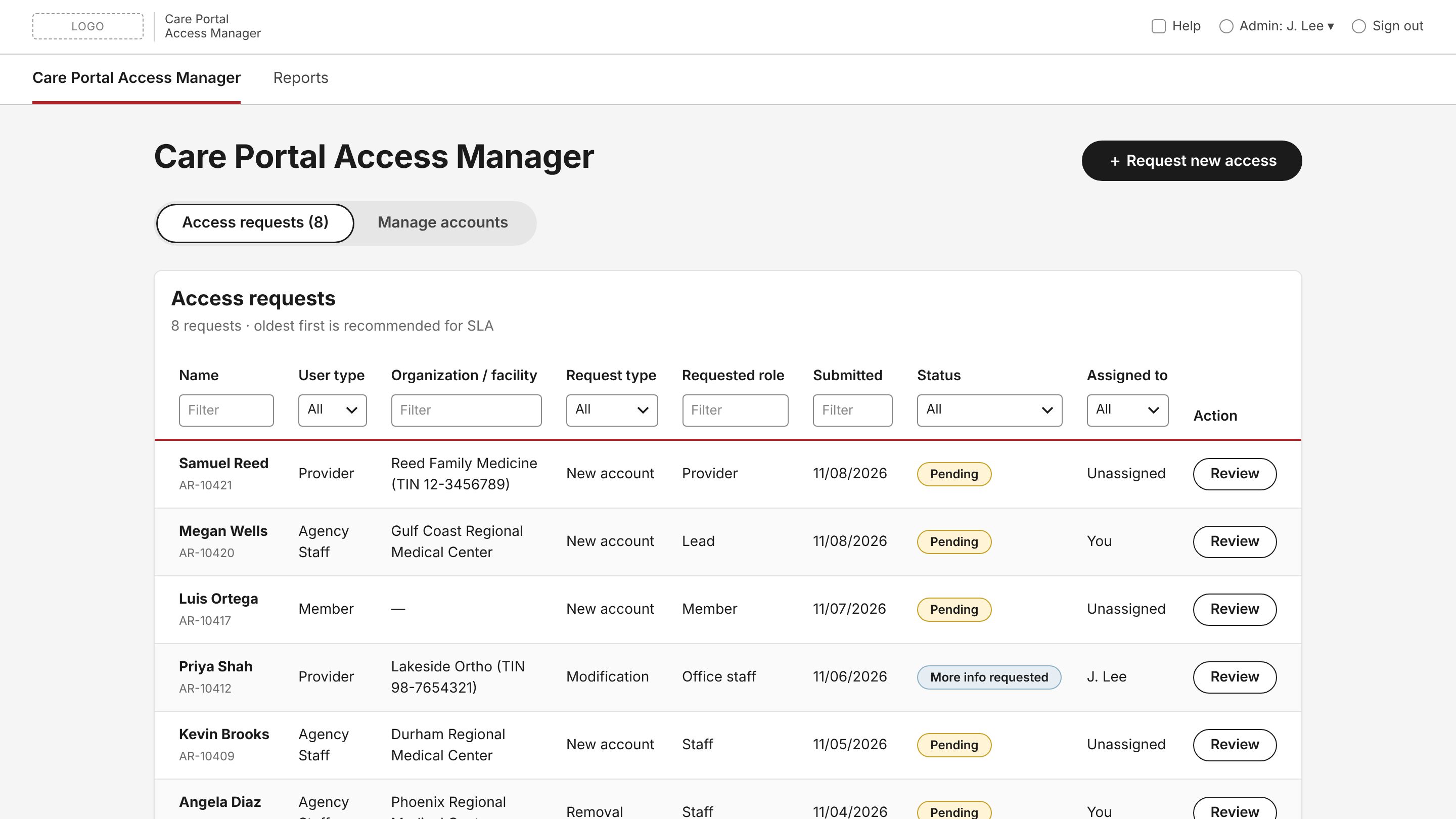
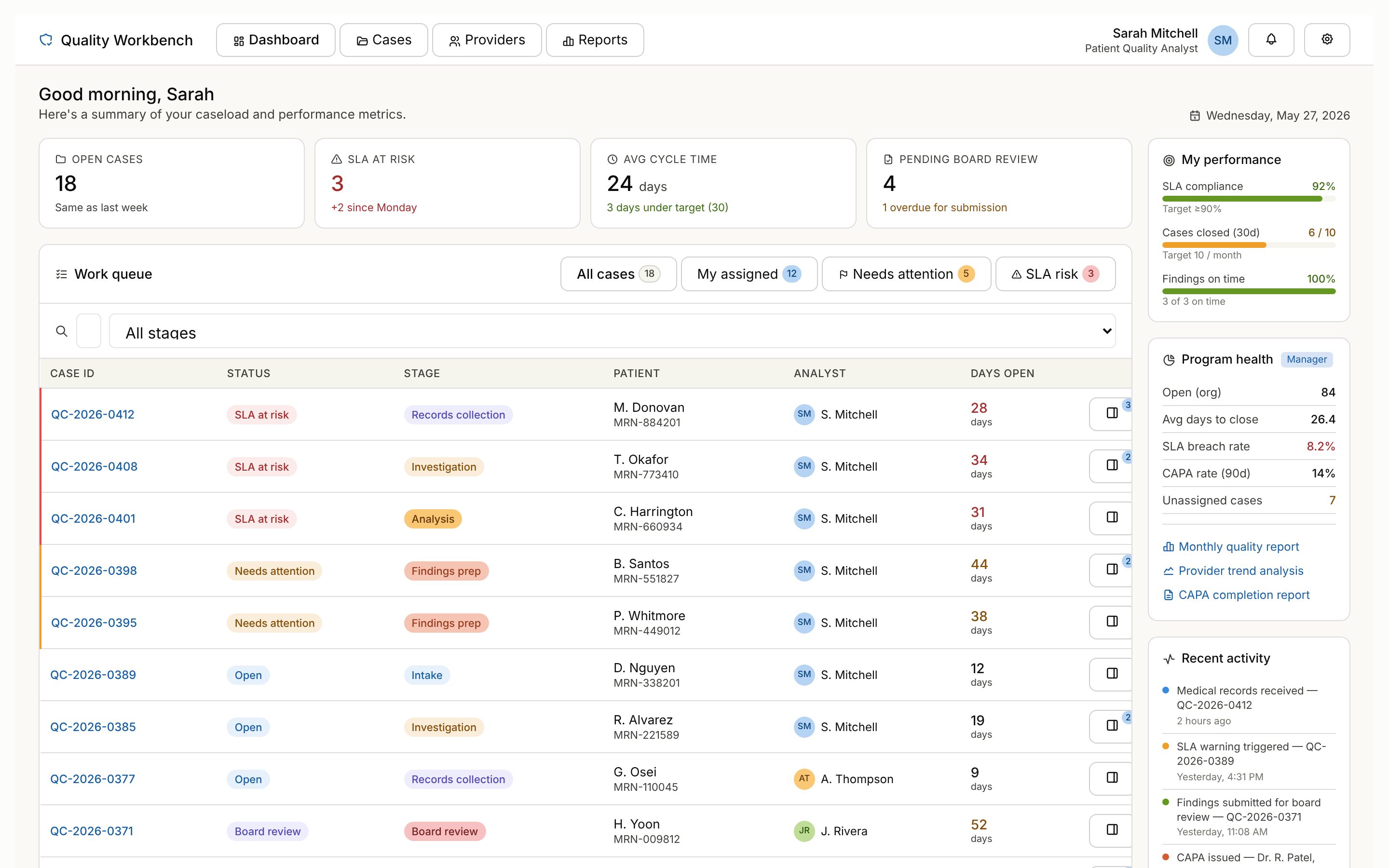
The portal access deep dive and the patient safety highlight below show what came next.